Earthing & Bonding in Cable Tray Systems
7 April 2026 || By: Admin
Introduction
Earthing and
bonding in cable tray systems
are essential elements of a safe and reliable electrical infrastructure. In modern industrial, commercial, and residential projects, cable trays are widely used to support and organize cables. However, without proper grounding and bonding, these systems can become potential sources of electrical hazards. For high-quality solutions, you can explore trusted options from leading cable tray manufacturers.Understanding Earthing and Bonding
Earthing refers to connecting the
cable tray
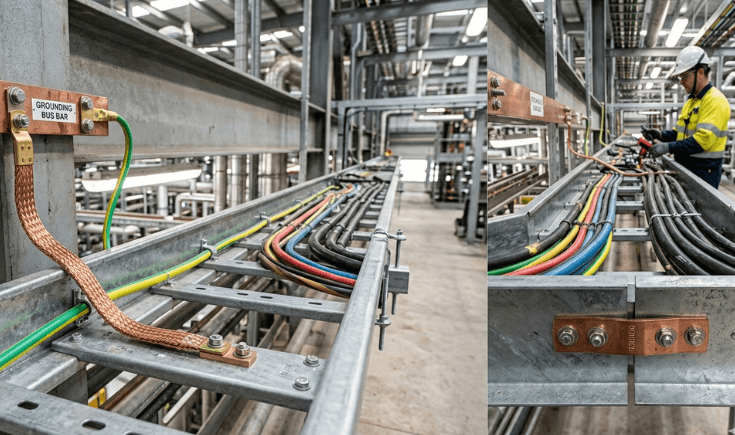
system to the earth to safely dissipate fault currents. Bonding ensures that all metallic components of the tray system are electrically connected, maintaining equal potential across the system. Together, they create a safe path for electrical faults and improve system performance in any cable tray installation.Why Earthing is Important
Proper
earthing in cable tray
systems protects both people and equipment. It prevents electric shocks by directing fault current into the ground. It also reduces the risk of overheating and fire hazards while stabilizing voltage levels and protecting sensitive equipment used with industrial cable trays.Role of Bonding in Safety
Bonding ensures electrical continuity across all sections of the cable tray. In large installations, trays are connected in multiple sections, and bonding prevents voltage differences that could cause arcing or system failures. It also minimizes electromagnetic interference, improving system reliability in
modern electrical cable tray systems
.Key Benefits
- Improved electrical safety
- Reduced risk of fire and shocks
- Enhanced equipment protection
- Better system performance
- Compliance with safety standards
Standards and Compliance
Following standards such as IS, IEC, and NEC is crucial for proper
cable tray grounding
. These guidelines define how earthing and bonding should be implemented, ensuring safe and compliant installations. Choosing the right components from a reliable cable tray supplier also supports compliance.Common Mistakes
Common issues include improper connections between tray sections, inadequate grounding, and ignoring standard guidelines. Regular inspection and proper installation practices help avoid these problems, especially when working with cable tray systemsin industrial environments.
Conclusion
Earthing and bonding in cable tray systems are critical for ensuring electrical safety and long-term reliability. Proper implementation not only prevents hazards but also enhances system efficiency and compliance. Investing in high-quality solutions from trusted manufacturers ensures long-lasting performance.
FAQ: